Get Residential Roof Replacement
Residential roof replacement services help property owners address damaged or aging roofs by replacing shingles, tiles, or other materials to ensure safety and durability.
If your property’s roof is showing signs of aging, damage, or wear, exploring replacement options is a practical step toward maintaining the integrity and value of the home. Property owners in the area often consider roof replacement to prevent leaks, improve energy efficiency, or prepare for changing weather conditions. Whether planning a major upgrade or addressing specific issues, understanding the available local contractors can help ensure the project aligns with your property's needs.
Comparing local service providers who specialize in residential roof replacement can make the process smoother and more informed. These experienced contractors can assist with assessing your roof’s condition, recommending suitable materials, and managing the installation. Keep reading to learn more about how to connect with trusted local experts and find the right solutions for your roof replacement project.
- Residential Roof Replacement - When a roof has sustained extensive damage from storms or aging materials.
- Shingle Roof Replacement - If shingles are curling, missing, or deteriorating, a replacement may be needed.
- Asphalt Roof Replacement - In cases where asphalt roofing materials have become worn or compromised over time.
- Tile Roof Replacement - When tile roofing is cracked, broken, or no longer provides adequate protection.
- Flat Roof Replacement - For flat roofs exhibiting leaks, ponding water, or significant wear that requires a full upgrade.
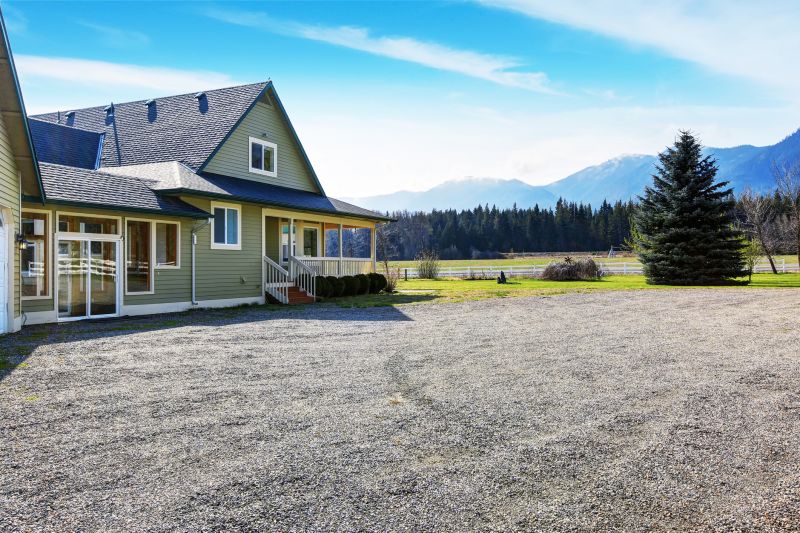
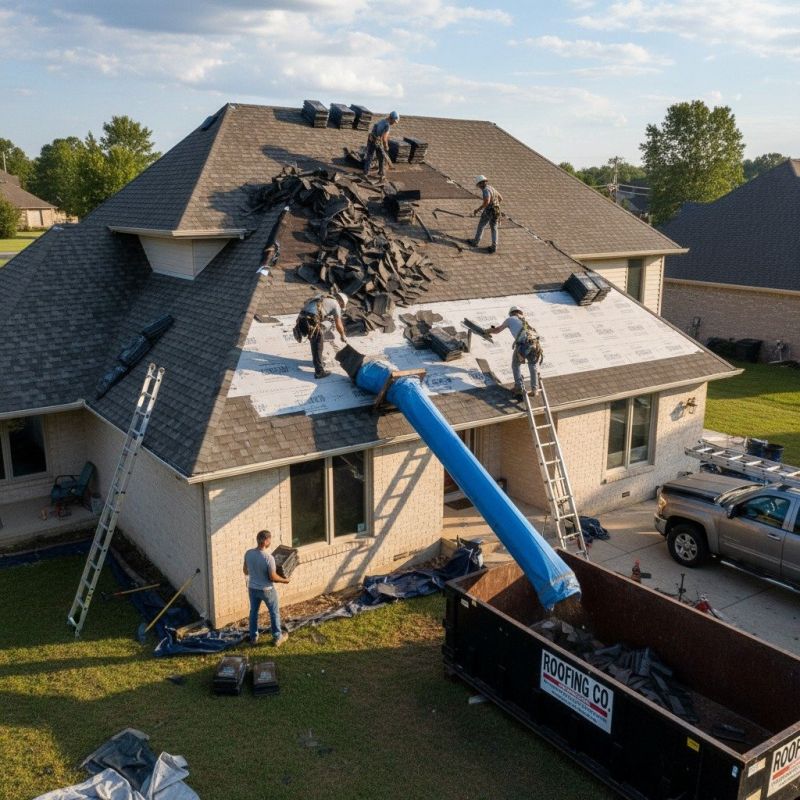
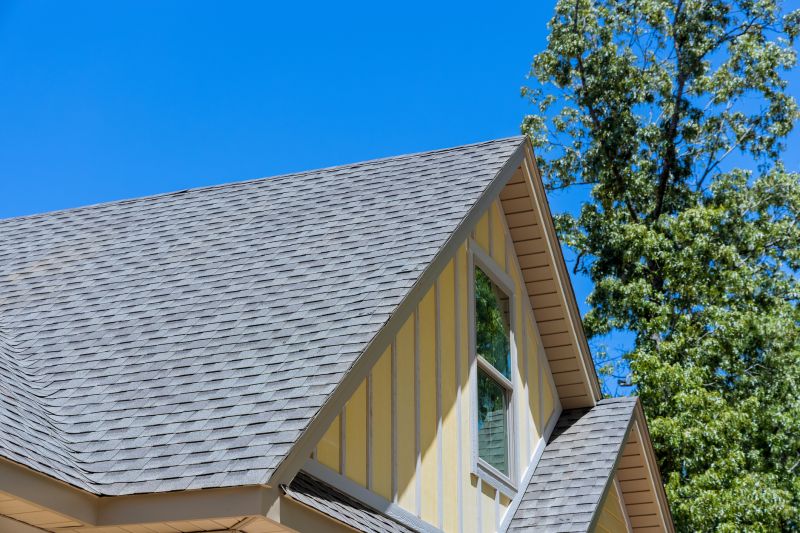
Residential roof replacement services involve removing an existing roof and installing a new one to ensure the home remains protected from the elements. This process typically includes inspecting the current roofing system, removing damaged or outdated materials, and then carefully installing a new roof that meets the home's specific needs. Skilled service providers use quality materials and proper techniques to ensure the new roof provides long-lasting durability and performance. Homeowners can rely on local contractors to handle every step of this process, making sure the replacement is done efficiently and correctly.
Roof replacement is often necessary when a roof shows signs of significant damage or aging that cannot be repaired effectively. Common problems include extensive shingle or material deterioration, persistent leaks, widespread water damage, or structural issues caused by storm damage or fallen debris. In some cases, a roof may no longer meet current safety standards or aesthetic preferences, prompting a full replacement. Addressing these issues promptly with a professional roof replacement can prevent further damage to the home’s interior and structural components, saving homeowners from more costly repairs down the line.
This service is typically used for residential properties such as single-family homes, townhouses, and multi-family dwellings. Homes located in areas prone to severe weather conditions, like heavy rain, snow, or high winds, may require more frequent roof replacements to maintain protection. Older homes with roofs that have reached or exceeded their lifespan are also common candidates. Additionally, properties that have experienced storm damage or other unforeseen events often benefit from a full roof replacement to restore safety and curb appeal. Local service providers are equipped to handle a variety of property types and roofing systems to meet the specific needs of each home.
Homeowners should consider a roof replacement if they notice signs like missing shingles, persistent leaks, visible water stains on ceilings, or significant wear and tear on roofing materials. Other indicators include curling or cracked shingles, excessive granule loss in gutters, or a roof that appears sagging or uneven. When these issues are present, a professional inspection can confirm whether a full replacement is necessary. Connecting with local contractors ensures that experienced professionals can evaluate the condition of the roof and recommend the appropriate course of action to protect the home’s structure and value.
The overview below groups typical Residential Roof Replacement projects into broad ranges so you can see how smaller, mid-sized, and larger jobs often compare in your area.
In many markets, a large share of routine jobs stays in the lower and middle ranges, while only a smaller percentage of projects moves into the highest bands when the work is more complex or site conditions are harder than average.
Smaller Repairs - minor roof repairs or patchwork typically cost between $250 and $600 for many routine jobs. These projects often involve fixing leaks or replacing small sections and are usually on the lower end of the cost spectrum. Local contractors generally handle these repairs efficiently within this range.
Mid-Range Replacement - replacing a standard residential roof usually falls between $5,000 and $10,000. Many projects in this category are full replacements of average-sized homes, with costs varying based on materials and roof complexity. Larger or more intricate jobs tend to push costs higher but remain within this middle tier.
Complete Roof Overhaul - larger or more complex roof replacements can range from $10,000 to $20,000 or more. These projects often involve extensive work, such as replacing multiple layers or dealing with structural issues, and are less common but necessary for larger homes or difficult sites.
High-End or Custom Projects - premium materials, custom designs, or extensive structural modifications can lead to costs exceeding $20,000. While fewer projects fall into this highest tier, local service providers capable of handling these jobs can provide estimates based on specific project details.
Actual totals will depend on details like access to the work area, the scope of the project, and the materials selected, so use these as general starting points rather than exact figures.
Gutter Replacement - this project involves installing or upgrading gutters, requiring similar planning and roofing skills to ensure proper water drainage from residential roofs.
Attic Insulation Installation - installing insulation in attics complements roof replacement by improving energy efficiency and requires knowledge of roof structures and ventilation.
Roof Leak Repairs - fixing leaks involves identifying damage and applying repair techniques akin to those used in full roof replacements, often requiring similar tools and planning.
Skylight Installation - adding skylights involves cutting into roofing materials and ensuring proper sealing, sharing skills with roof replacement projects to maintain weatherproofing.
Chimney Flashing Repair - repairing or replacing chimney flashing involves working on roof penetrations with techniques comparable to those used in roof replacement to prevent water intrusion.
Siding Replacement - replacing or repairing siding often coincides with roof work, requiring coordination of exterior home components and similar planning skills for weatherproofing.
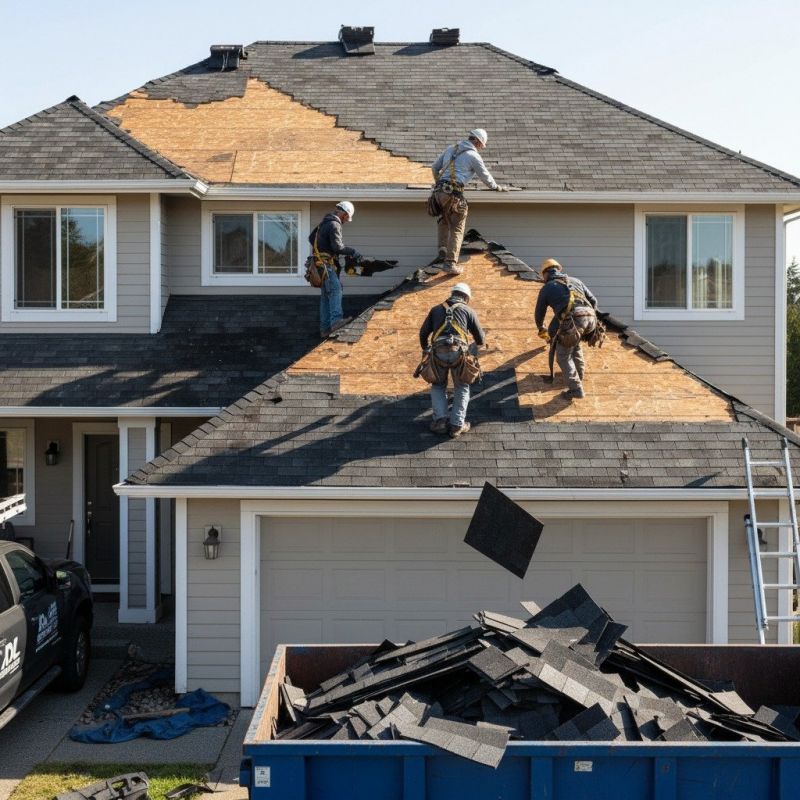
When evaluating potential service providers for residential roof replacement, it’s important to consider their experience with similar projects. Homeowners should look for local contractors who have a proven track record of handling roof replacements comparable in size and scope to their own. This can help ensure that the contractor understands the specific challenges and requirements involved, leading to a smoother process and a more reliable outcome. Asking for examples of past work or references related to similar projects can provide insight into their expertise and ability to deliver quality results.
Clear, written expectations are essential when choosing a roofing contractor. Homeowners should seek out providers who can offer detailed written proposals that outline the scope of work, materials to be used, and the projected timeline. Having this information in writing helps prevent misunderstandings and ensures that both parties are aligned on project details from the outset. It’s also beneficial to request reputable references from previous clients, as speaking with those who have recently completed similar projects can reveal the contractor’s professionalism, reliability, and quality of work.
Effective communication is a key factor in a successful roof replacement experience. Homeowners should prioritize local service providers who are responsive, transparent, and willing to answer questions throughout the process. Good communication fosters trust and helps address any concerns promptly, contributing to a smoother project. It’s important to remember that this site introduces homeowners to local pros who can handle the work, rather than performing the work itself. By focusing on experience, clear expectations, reputable references, and open communication, homeowners can make more informed decisions when selecting a contractor for their roof replacement needs.
Property owners use Residential Roof Replacement services for practical projects around their homes and businesses. This guide focuses on everyday jobs and straightforward project options.
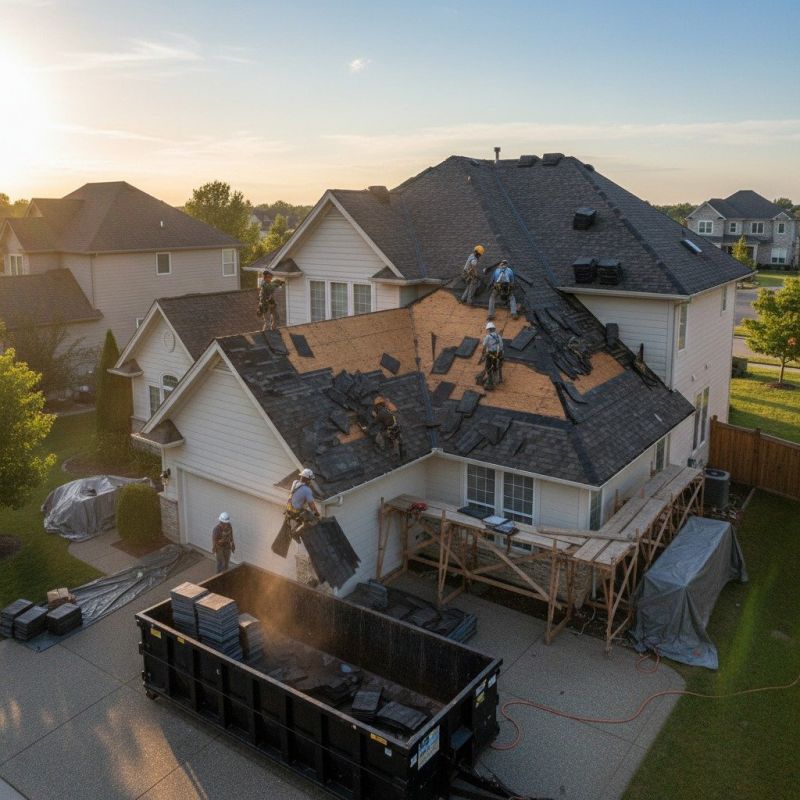
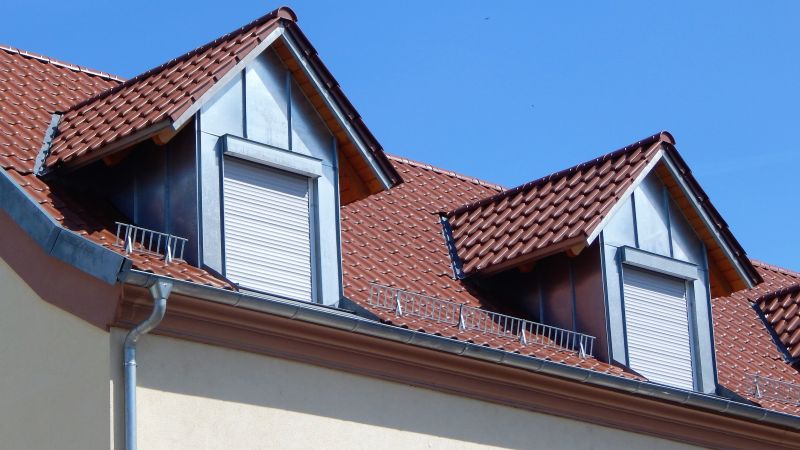
Residential roof replacement is a common project for property owners dealing with aging, damaged, or leaking roofs. Whether a roof has become worn over time, sustained storm damage, or shows signs of deterioration, local contractors are available to assess the situation and provide suitable replacement options. Homeowners often seek these services to protect their property from water intrusion, improve energy efficiency, or simply enhance the appearance of their home.
Many property owners look for roof replacement services when experiencing frequent leaks, missing shingles, or visible wear and tear. Additionally, those preparing to sell their home or upgrading their property may consider a new roof to boost curb appeal and value. Local service providers can handle a range of needs, offering solutions that help homeowners maintain a safe and secure residence.
What are signs that a roof needs replacement? Indicators include missing or damaged shingles, persistent leaks, extensive wear, and visible sagging or deterioration on the roof surface.
How do local contractors determine if a roof should be replaced? They typically assess the roof’s age, condition of materials, extent of damage, and overall structural integrity during an inspection.
What types of roofing materials are available for residential replacements? Common options include asphalt shingles, metal roofing, wood shakes, and architectural shingles, among others, depending on homeowner preferences and local building codes.
What preparations are needed before a roof replacement begins? Homeowners should clear driveways and yard areas, remove valuables from attics or upper floors, and ensure easy access for contractors.
How can I find local service providers for residential roof replacement? Use a trusted lead generation platform to compare and connect with nearby contractors experienced in roof replacement projects.
Residential Roof Replacement Planning - Property owners can explore options for upgrading aging or damaged roofs to improve home safety and curb appeal.
Material and Style Selection - Homeowners can compare different roofing materials and styles to match their property's aesthetic and functional needs.
Project Budgeting Ideas - Property owners can gather ideas on how to allocate funds for a roof replacement that fits their long-term home improvement plans.
Finding Local Contractors - Homeowners can connect with local service providers who specialize in residential roof replacements to handle their specific project requirements.
If you are thinking about Residential Roof Replacement for a property, this guide is meant to help you understand the work, the typical project types, and how different options might fit your plans.
When you are ready, you can use the quote form on this page to share a few details about your project. From there, local pros can review the basics and respond with options that match what you have in mind.